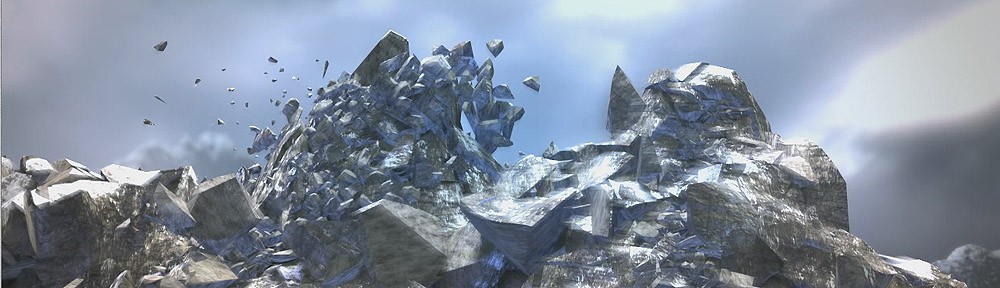
Pulldownit 6, is already available for Maya 2026, you can review latest features of PDI for Maya in this post:
Maya 2026 itself brings a number of updates in modeling, animation, simulation and shading.
In modeling there is a new volume mode for Booleans, it works by converting polygons to volumes before doing the Boolean operation then converting it back to polygons, that’s ensure perfect results but you miss the original shape of the object in the process, according to Autodesk this mode is intended to quicky block out organic-like models.
A number of improvements have been made to the ML Deformer, you can now use Apply Mesh Compare to visualize the difference between two meshes using a heat map and other fixes to the tool.
Maya Bifrost now includes the ability to simulate liquids directly in the graph, basically integrating the legacy Bifrost Fluids plug-in into the new node based VFX workflow.
In order to converge with Adobe tools in the shading pipeline, OpenPBR is now the default surface shader in Maya, learn more about OpenPBR by visiting the Academy Software Foundation.
Golaem, a crowd simulation plug-in for Maya can be licensed as part of Autodesk’s Media and Entertainment Collection, important to note Golaem plug-in is not included in the Maya distribution despite it appears mentioned in the release notes for Maya 2026.
USD plugin update to version 0.31 with support for light linking.
LookdevX 1.7.0 for Maya introduces improved publishing workflows, relative paths support, and a new generative textures API.
Finally Arnold render updates to version 5.5.0 with several minor enhancements.
Just Maya Stuff shows many of Maya 2026 new features in this nice video:
 KineticThoughts